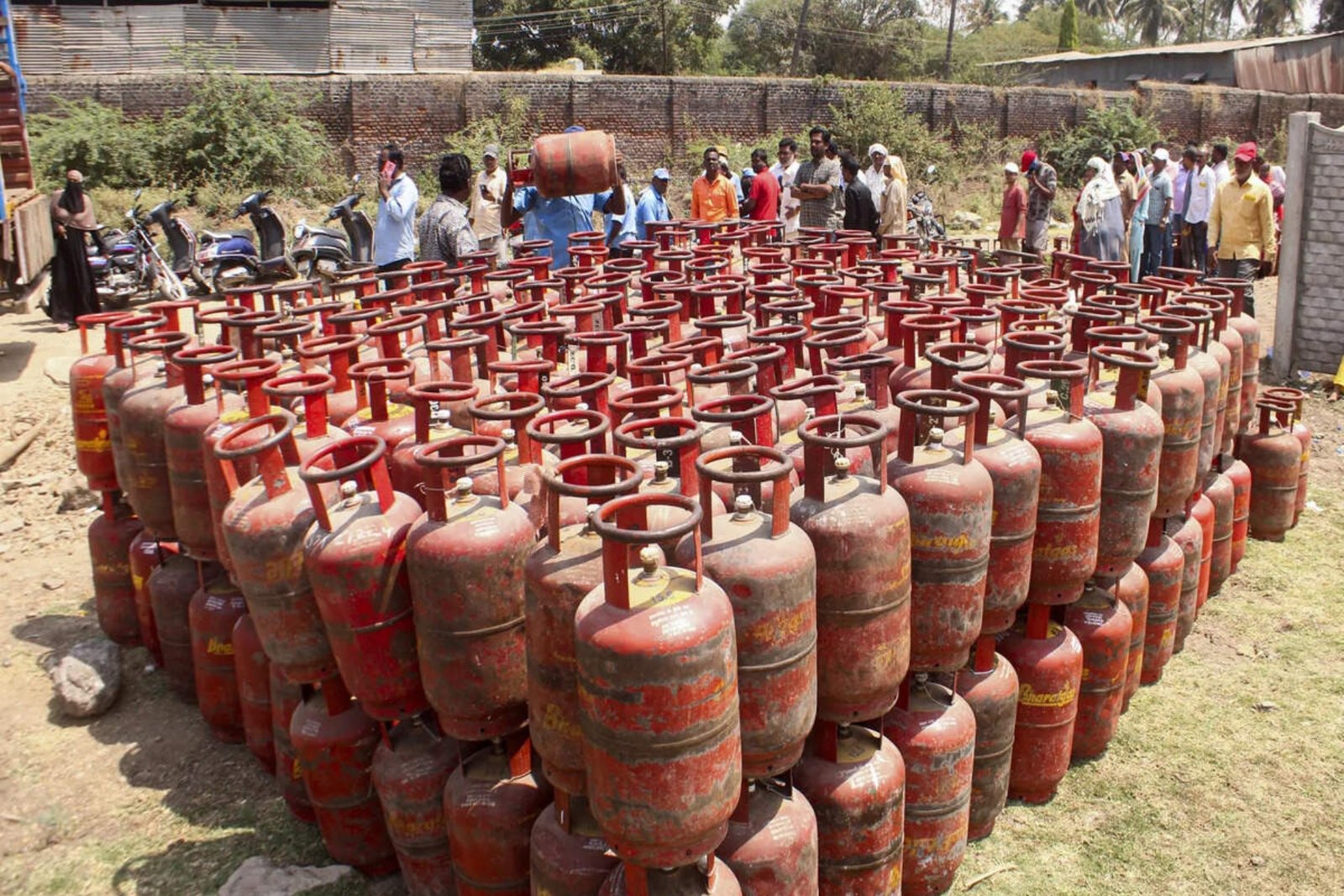
Cooking gas is another essential requirement in nearly all Indian families. Since making morning tea to preparing dinner to the family, the LPG cylinders have served millions of households. Nonetheless, the recent international tension and supply issues brought back the focus on the reliance of India on LPG.
Cases of shortage in various regions have seen individuals concerned that the cylinders will still be readily available in the next few months. It is against this backdrop that the central government has appeared significantly to the families residing along the piped natural gas (PNG) network.
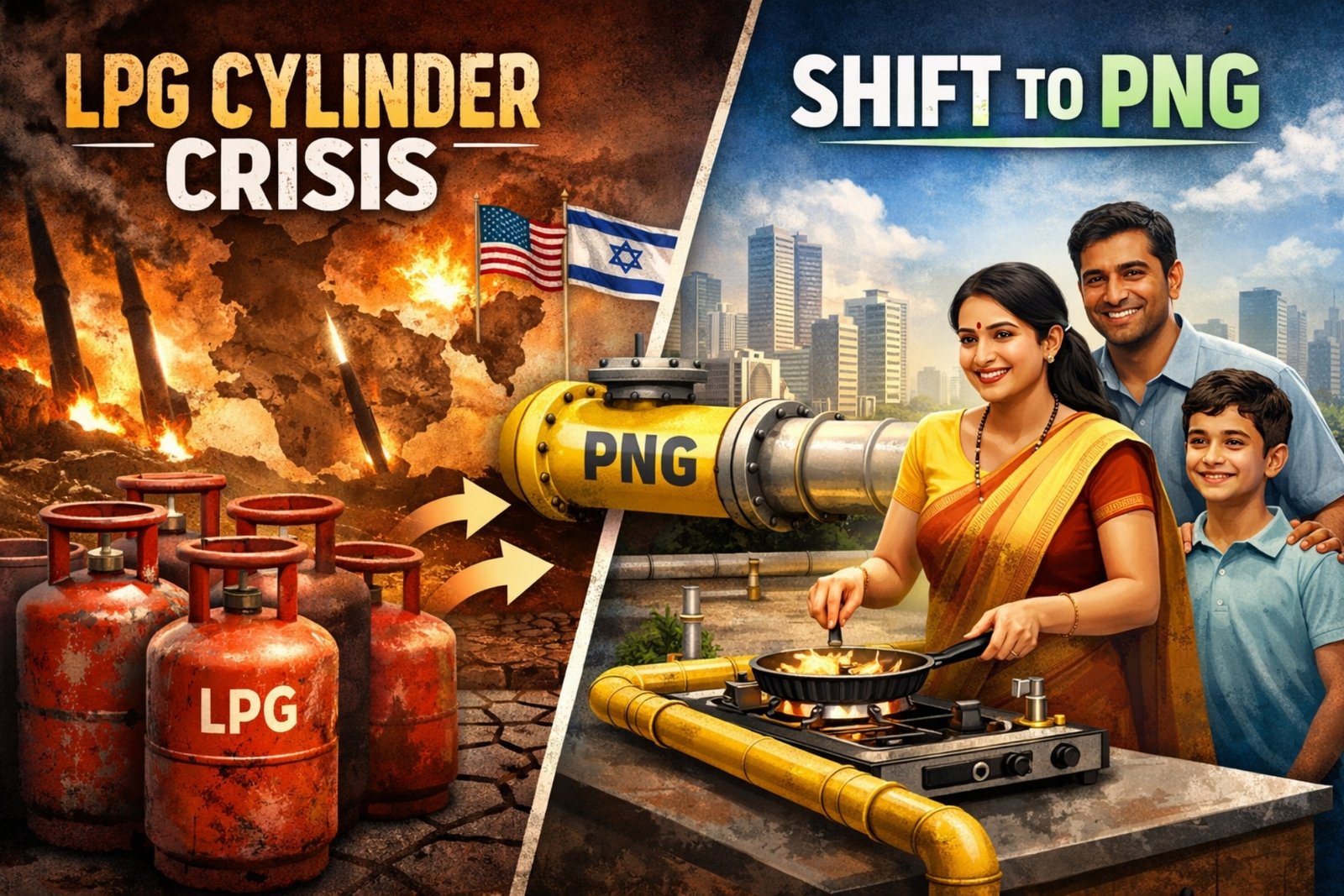
The governments are proposing piped gas connections to about 60 lakh families that use traditional LPG cylinders. The idea is simple. Assuming that some families change to PNG where infrastructure already exists, it has the potential to lower pressure on the supply of LPG and guarantee improved access of the remaining population.
The reason why the LPG Crisis is being discussed.
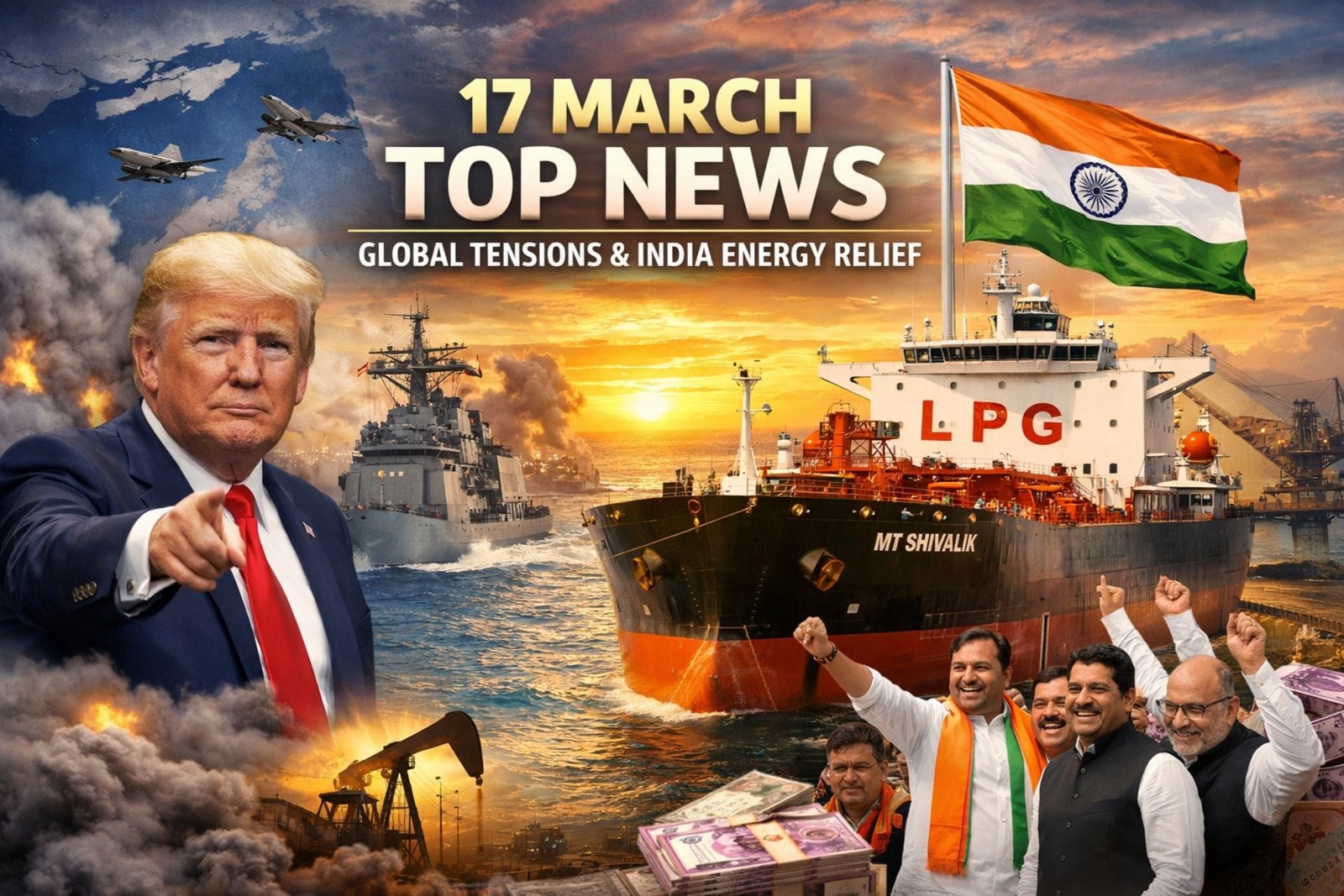
Most of the debate on LPG shortages is closely connected with the increasing world tensions. LPG Cylinder The continuous war between Iran and the axis between the United States and Israel has posed incongruity in the energy markets of the world.
Supply chains are usually disrupted whenever there is geopolitical tension within the oil and gas producing regions. A big share of LPG importation is made in India. Due to this fact, supply and prices can be directly influenced by international developments.
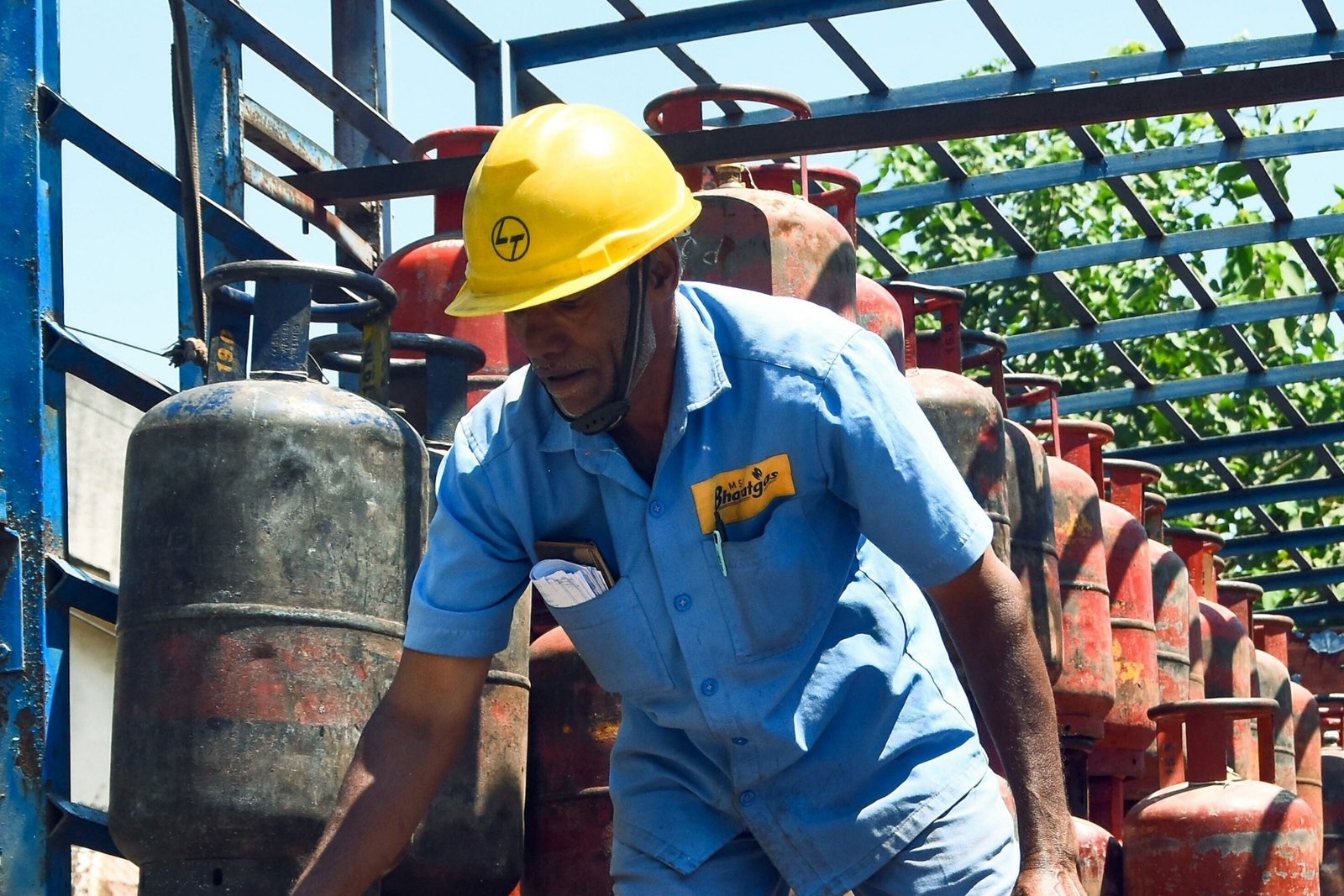
Although the government has since maintained that there is no national shortage at hand, several other regions have reported delays in supply of cylinders, and strain on supply pressure is being felt.
LPG Cylinder Such changes have compelled policymakers to seek other options which can ease the pressure on the LPG distribution channels.
The Appeal of Government to 60 Lakh Families.
The Ministry of Petroleum and Natural Gas has now called on families residing near the prevailing PNG pipelines to consider the use of piped cooking gas. In the opinion of Sujata Sharma, who is a Joint Secretary in the ministry, homes situated close to the PNG infrastructure can gain a lot by investing in this facility.
PNG does not operate like LPG cylinders. Gas is delivered via pipes to homes as opposed to making reservations and waiting till a cylinder refill is available. This implies constant and consistent supply whereby one is not concerned that fuel will be depleted midway during cooking.
The government hopes to liberate LPG cylinders in the regions where pipeline networks are not accessible by relocating the eligible households to PNG. This would have the benefit of controlling supply in a more efficient manner particularly in times of uncertainty in the globe.
LPG and PNG Usage in India
The Indian consumer base of LPG is enormous at present. Statistics indicate that the number of individuals in the country who use LPG cylinders in cooking is approximately 33.37 crore persons. Meanwhile, the piped natural gas pipeline continues to be extended and 1.5 crore households are served.
LPG Cylinder This means that despite the gradual rise in the coverage of PNG, it is still only available in the urban areas and in few cities where the gas pipeline infrastructure has been established.
The expansion of this network is one of the long-term plans of India in the energy sector since piped gas is deemed to be safer, convenient, and manageable than cylinders.
The Implication of this to Consumers.
In households that are already connected to PNG in places with such connections, switching to piped gas may allow them to live an easier life. No bookings are required when refilling and heavy cylinders can be kept at home.
The payments are typically made on a basis of the actual gas used which is liken to electricity or water bills. In the case of the LPG users who lack access to the PNG, no immediate change is observed in the system.
The supply of cylinders will be maintained. Nonetheless, when the household penetration of piped gas in the areas with it is higher, it can stabilize the LPG supply and pressure on the distribution systems in the long-term perspective.
The Road Ahead
The ecosystem of cooking fuel is developing in India. Although LPG has significantly contributed to the spread of access to clean cooking fuels in the country, the PNG infrastructure is gradually increasing in major cities and urban centers.
The fact that households around pipeline networks are encouraged to use PNG is a part of a more extensive approach to diversify the energy supply and make the distribution process more efficient.
LPG Cylinder When properly put in place, it would help relieve the strain on the LPG stocks and offer consumers a more convenient cooking fuel source.